Formula 1 officially launched in 1950 with its first World Championship race at Silverstone, emerging from pre-war European Grand Prix racing to become the pinnacle of motorsport. Dominated early by Italian teams like Alfa Romeo and Ferrari, the sport quickly evolved from front-engine, dangerous machines into a technological powerhouse, introducing rear-engine cars in the late 1950s and aerodynamics in the 1970s. Through decades of, innovation, high-speed, and legendary rivalries—from Fangio to Senna, Schumacher, and Hamilton—F1 has grown into a global spectacle, continuously refining safety and engineering to remain the top level of open-wheel racing.
Cars
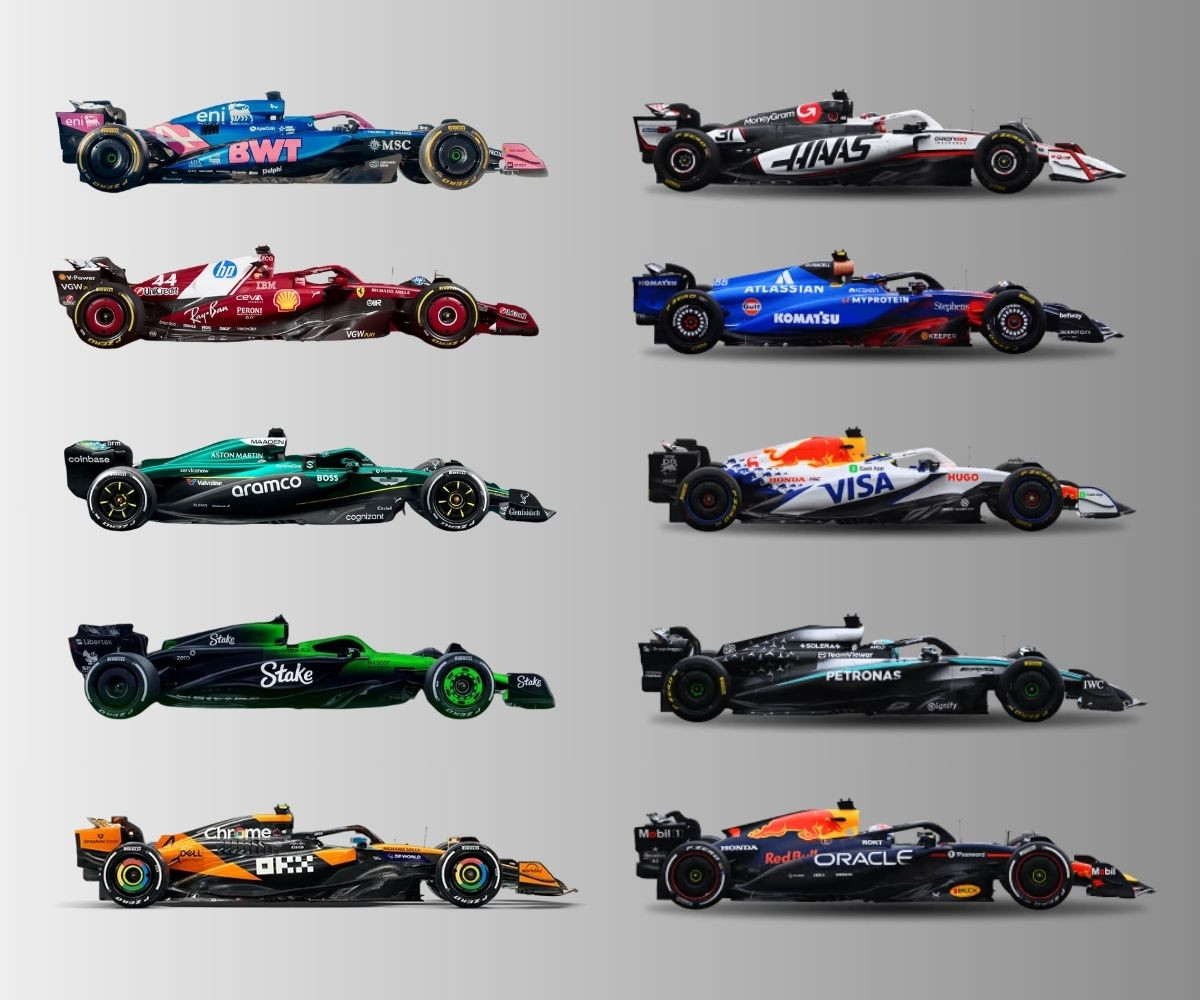
Formula One (F1) cars represent the absolute pinnacle of motorsport engineering, functioning as single-seater, open-cockpit, and open-wheel machines designed exclusively for maximum speed and cornering performance. Constructed from ultra-lightweight carbon fiber and composites, these high-tech vehicles are powered by sophisticated 1.6-liter V6 turbo hybrid power units that produce up to 950 hp, capable of reaching speeds exceeding 375 km/h. Modern F1 cars, such as those from Red Bull, Ferrari, and Mercedes, rely heavily on aerodynamics—specifically front and rear wings and underbody ground effects—to generate massive downforce, allowing them to take corners at speeds unimaginable in other racing series. Beyond raw speed, these cars are rolling laboratories for advanced technology, incorporating complex energy recovery systems (ERS), 18-inch Pirelli slick tires, and crucial safety features like the halo device to protect the driver.
The drivers
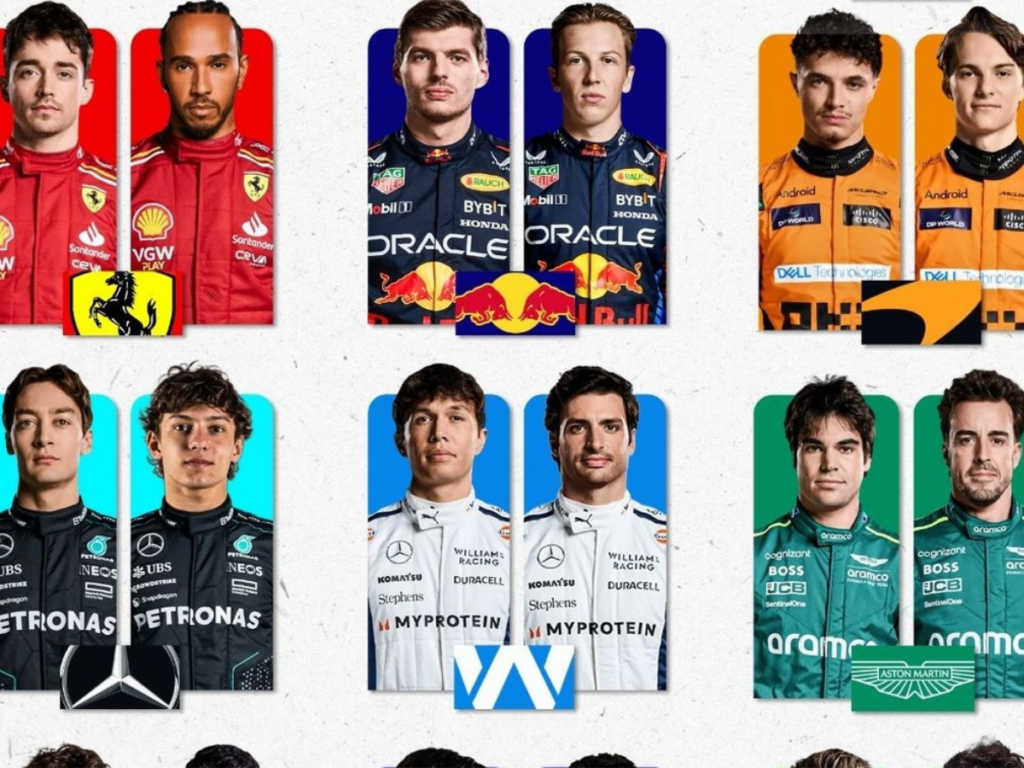
Formula 1 drivers are elite athletes, often described as specialized fighter pilots. The 2026 grid features a mix of legends and rising talents, including seven-time champion Lewis Hamilton (Ferrari), reigning champion Max Verstappen (Red Bull), veteran Fernando Alonso (Aston Martin), and 2025 champion Lando Norris. These drivers possess elite, sub-100-millisecond reflexes and intense physical training to manage the immense pressure, competing in 24 grueling, high-stakes Grands Prix.
The legends
Formula 1 is defined by a pantheon of legends whose dedication, bravery, and technical brilliance have pushed the pinnacle of motorsport to unimaginable heights. From the commanding, precise mastery of Juan Manuel Fangio in the 1950s and the graceful speed of Jim Clark to the intense, calculated passion of Ayrton Senna and the relentless, record-shattering dominance of Michael Schumacher and Lewis Hamilton, these icons defined their respective eras. Alongside them, the tactical genius of figures like Niki Lauda—who famously returned from the brink of death—and the pure, fearless speed of Stirling Moss established the sport's reputation for forging heroes out of mere mortals. These legends, including innovators like Colin Chapman and tenacious team owners such as Sir Frank Williams, transformed F1 into a high-octane spectacle of human endeavor and cutting-edge performance.